 Kiefer Zahn Vogt
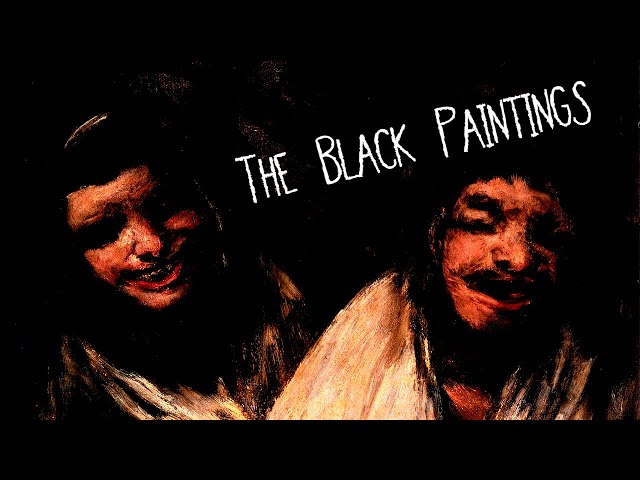
 Francisco Goya’s Black Paintings are a series of 14 haunting and enigmatic murals that the Spanish artist created on the walls of his house, the Quinta del Sordo, in the last years of his life. Painted between 1819 and 1823, just a few years before his death, these works were not meant for public display and were only discovered after Goya’s death.
The Black Paintings are Goya’s most personal and introspective works. They depict scenes of violence, madness, and despair, and are considered to be a reflection of Goya’s own inner turmoil during the later years of his life. The paintings are executed in a dark and somber palette, with heavy use of black and gray, and are characterized by their bold and expressive brushwork.
The Black Paintings have been the subject of much debate and interpretation. Some scholars see them as a reflection of Goya’s disillusionment with humanity, while others see them as a commentary on the political and social turmoil of Goya’s time. Regardless of their interpretation, the Black Paintings are widely considered to be masterpieces of Spanish art and are among Goya’s most important works.
Francisco Goya’s Black Paintings
Francisco Goya’s Black Paintings are a series of 14 haunting and enigmatic murals that the Spanish artist created on the walls of his house, the Quinta del Sordo, in the last years of his life. Painted between 1819 and 1823, just a few years before his death, these works were not meant for public display and were only discovered after Goya’s death.
- Haunting: The Black Paintings are filled with images of violence, madness, and despair, and are considered to be a reflection of Goya’s own inner turmoil during the later years of his life.
- Enigmatic: The Black Paintings are full of symbolism and allegory, and their meaning has been the subject of much debate and interpretation.
- Personal: The Black Paintings are Goya’s most personal and introspective works, and they offer a unique glimpse into the artist’s mind.
- Introspective: The Black Paintings are a reflection of Goya’s own fears and anxieties, and they provide a powerful insight into the human condition.
- Political: The Black Paintings can also be seen as a commentary on the political and social turmoil of Goya’s time.
- Historical: The Black Paintings are an important part of Spanish art history, and they offer a unique perspective on the period in which they were created.
- Masterpieces: The Black Paintings are widely considered to be masterpieces of Spanish art, and they are among Goya’s most important works.
- Legacy: The Black Paintings have had a profound influence on subsequent generations of artists, and they continue to be a source of inspiration and fascination today.
The Black Paintings are a complex and multifaceted body of work, and they can be interpreted on many different levels. They are a powerful and moving testament to Goya’s genius, and they offer a unique glimpse into the mind of one of the most important artists of all time.
Haunting
The Black Paintings are a series of 14 murals that Goya created on the walls of his house, the Quinta del Sordo, in the last years of his life. These works were not meant for public display and were only discovered after Goya’s death. The paintings are executed in a dark and somber palette, with heavy use of black and gray, and are characterized by their bold and expressive brushwork.
The Black Paintings are filled with images of violence, madness, and despair. Some of the most famous paintings in the series include “Saturn Devouring His Son,” “The Pilgrimage to San Isidro,” and “The Witches’ Sabbath.” These paintings reflect Goya’s own inner turmoil during the later years of his life. Goya was a witness to the horrors of the Napoleonic Wars, and his work is often seen as a reflection of the violence and chaos of that time.
The Black Paintings are a powerful and moving testament to Goya’s genius. They are a unique glimpse into the mind of one of the most important artists of all time.
Enigmatic
Francisco Goya’s Black Paintings are full of symbolism and allegory, and their meaning has been the subject of much debate and interpretation. This is due to several factors, including:
- Goya’s use of dark and somber imagery: The Black Paintings are filled with images of violence, madness, and despair. These images are often open to multiple interpretations, and their meaning is not always clear.
- Goya’s use of allegory: Goya often used allegory in his work to convey hidden meanings. For example, the painting “Saturn Devouring His Son” can be interpreted as a commentary on the destructive power of time.
- Goya’s personal life: Goya’s own life was full of turmoil and tragedy. These experiences undoubtedly influenced his work, and they may have contributed to the enigmatic nature of the Black Paintings.
The enigmatic nature of the Black Paintings is part of their appeal. They invite viewers to explore their own interpretations and to find their own meaning in the works. This openness to interpretation is one of the things that makes the Black Paintings so fascinating and enduring.
The Black Paintings have been interpreted in many different ways over the years. Some scholars see them as a reflection of Goya’s disillusionment with humanity, while others see them as a commentary on the political and social turmoil of Goya’s time. Regardless of their interpretation, the Black Paintings are widely considered to be masterpieces of Spanish art and are among Goya’s most important works.
Personal
Francisco Goya’s Black Paintings are deeply personal and introspective works. In them, he laid bare his innermost thoughts and feelings, giving us a unique glimpse into the mind of one of the most important artists of all time.
- Experiences: Goya’s Black Paintings were created during a tumultuous period in his life. He was in poor health and had recently lost his hearing. These experiences undoubtedly influenced the dark and pessimistic tone of the paintings.
- Emotions: The Black Paintings are filled with Goya’s emotions. He expressed his anger, fear, and despair in these works in a raw and powerful way.
- Insights: The Black Paintings offer us insights into Goya’s view of the world. He saw the world as a place of violence, chaos, and darkness.
- Legacy: The Black Paintings are a powerful and moving testament to Goya’s genius. They are a unique glimpse into the mind of one of the most important artists of all time.
Introspective
Francisco Goya’s Black Paintings are deeply personal and introspective works. In them, he laid bare his innermost thoughts and feelings, giving us a unique glimpse into the mind of one of the most important artists of all time. The Black Paintings are a reflection of Goya’s own fears and anxieties, and they provide a powerful insight into the human condition.
- Goya’s fears: The Black Paintings are filled with Goya’s fears. He feared death, violence, and madness. These fears are expressed in the paintings in a raw and powerful way.
- Goya’s anxieties: The Black Paintings also reflect Goya’s anxieties. He was anxious about the future of Spain, and he was worried about the decline of humanity. These anxieties are expressed in the paintings in a pessimistic and despairing way.
- The human condition: The Black Paintings provide a powerful insight into the human condition. They show us that we are all capable of great evil, but they also show us that we are capable of great resilience. The Black Paintings are a reminder that we are all human, and that we are all capable of both good and evil.
- Goya’s legacy: The Black Paintings are a powerful and moving testament to Goya’s genius. They are a unique glimpse into the mind of one of the most important artists of all time, and they continue to resonate with viewers today.
The Black Paintings are a complex and multifaceted body of work, and they can be interpreted on many different levels. They are a powerful and moving testament to Goya’s genius, and they offer a unique glimpse into the mind of one of the most important artists of all time.
Political
Francisco Goya’s Black Paintings are not only a reflection of his personal fears and anxieties, but also a commentary on the political and social turmoil of his time. Goya lived during a period of great upheaval in Spain, which was marked by war, revolution, and political instability. These events had a profound impact on Goya, and they are reflected in his art.
Many of the Black Paintings depict scenes of violence and chaos. For example, the painting “The Third of May 1808” shows the execution of Spanish civilians by French soldiers during the Peninsular War. This painting is a powerful indictment of the brutality of war, and it shows Goya’s deep sympathy for the victims of violence.
Other Black Paintings depict scenes of social unrest and political satire. For example, the painting “The Pilgrimage to San Isidro” shows a group of people on a pilgrimage to a shrine. However, the people in the painting are not depicted in a respectful way. Instead, they are shown as beingand superstitious. This painting can be seen as a criticism of the Church and the Spanish government.
The Black Paintings are a powerful and moving testament to Goya’s genius. They are not only a reflection of his personal fears and anxieties, but also a commentary on the political and social turmoil of his time. Goya’s Black Paintings continue to resonate with viewers today, and they offer a unique glimpse into one of the most important periods in Spanish history.
Historical
Francisco Goya’s Black Paintings are an important part of Spanish art history. They were created during a period of great upheaval in Spain, which was marked by war, revolution, and political instability. The Black Paintings reflect Goya’s own experiences during this time, and they offer a unique perspective on the period in which they were created.
- Historical Context: The Black Paintings were created during the Peninsular War, which was fought between Spain and France from 1808 to 1814. The war was a brutal and bloody conflict, and it had a profound impact on Goya. The Black Paintings reflect the violence and chaos of the war, and they show Goya’s deep sympathy for the victims of violence.
- Social Commentary: The Black Paintings are not only a reflection of Goya’s personal experiences, but also a commentary on the political and social turmoil of his time. Goya was a strong critic of the Spanish government, and the Black Paintings show his disillusionment with the monarchy and the Church.
- Artistic Innovation: The Black Paintings are also significant for their artistic innovation. Goya’s use of dark and somber colors, and his bold and expressive brushwork, were groundbreaking at the time. The Black Paintings helped to pave the way for the development of modern art, and they continue to be admired by artists and critics today.
- Legacy: The Black Paintings are one of the most important works of art in Spanish history. They are a powerful and moving testament to Goya’s genius, and they offer a unique glimpse into one of the most important periods in Spanish history.
Goya’s Black Paintings continue to resonate with viewers today. They are a reminder of the horrors of war, the importance of social justice, and the power of art to reflect the human condition.
Masterpieces
Francisco Goya’s Black Paintings are widely considered to be masterpieces of Spanish art, and they are among Goya’s most important works. This is due to a number of factors, including their technical brilliance, their emotional power, and their historical significance.
Technically, the Black Paintings are masterful examples of Goya’s use of oil paint. He uses a dark and somber palette to create a sense of atmosphere and mood. His brushwork is bold and expressive, and he uses a variety of techniques to create different textures and effects.
Emotionally, the Black Paintings are powerful and moving. They depict scenes of violence, madness, and despair, and they offer a unique glimpse into Goya’s own inner turmoil. The paintings are a reflection of the horrors of war and the brutality of life in 18th-century Spain.
Historically, the Black Paintings are significant because they mark a turning point in Goya’s career. They are a departure from his earlier, more lighthearted work, and they reflect his growing disillusionment with the world. The Black Paintings are a powerful indictment of the violence and injustice of Goya’s time, and they continue to resonate with viewers today.
The Black Paintings are a complex and multifaceted body of work, and they can be interpreted on many different levels. They are a powerful and moving testament to Goya’s genius, and they are among the most important works of art in Spanish history.
Legacy
Francisco Goya’s Black Paintings are not only important works of art in their own right, but they have also had a profound influence on subsequent generations of artists. Goya’s innovative use of dark and somber colors, his bold and expressive brushwork, and his unflinching depiction of the human condition have inspired artists from all over the world.
- Expressionism: The Black Paintings are often seen as a precursor to the Expressionist movement of the early 20th century. Expressionist artists, such as Edvard Munch and Ernst Ludwig Kirchner, were inspired by Goya’s use of color and brushwork to express their own inner emotions and experiences.
- Symbolism: The Black Paintings are also full of symbolism, which has inspired many artists to explore the use of symbols in their own work. For example, the painting “Saturn Devouring His Son” has been interpreted as a symbol of the destructive power of time.
- Social Commentary: Goya’s Black Paintings are also a powerful form of social commentary, which has inspired many artists to use their work to address important social and political issues. For example, the painting “The Third of May 1808” is a powerful indictment of the violence and brutality of war.
- Contemporary Art: The Black Paintings continue to inspire contemporary artists today. For example, the artist Anselm Kiefer has been inspired by Goya’s use of dark and somber colors and his depiction of the human condition in his own work.
Goya’s Black Paintings are a powerful and moving body of work that has had a profound influence on the development of art. They continue to be a source of inspiration and fascination for artists and viewers alike.
Creating Your Own “Black Paintings”
Francisco Goya’s Black Paintings are a powerful and moving body of work that has inspired artists for centuries. If you’re interested in creating your own Black Paintings, here are a few steps to get you started:
- Choose a dark and somber palette. Goya’s Black Paintings are characterized by their use of dark and somber colors, such as black, gray, and brown. These colors create a sense of atmosphere and mood, and they can help to convey the emotions of fear, despair, and violence.
- Use bold and expressive brushwork. Goya’s brushwork is bold and expressive, and he uses a variety of techniques to create different textures and effects. For example, he uses thick, impasto brushstrokes to create a sense of urgency and drama, and he uses thin, delicate brushstrokes to create a sense of mystery and intrigue.
- Depict the human condition. Goya’s Black Paintings are not just about depicting scenes of violence and despair. They are also about depicting the human condition. Goya’s paintings show us the full range of human emotions, from love and hope to fear and despair. By depicting the human condition in all its complexity, Goya’s Black Paintings remind us of our own mortality and the importance of compassion.
- Use symbolism. Goya’s Black Paintings are full of symbolism, which can be interpreted on many different levels. For example, the painting “Saturn Devouring His Son” can be interpreted as a symbol of the destructive power of time, or as a symbol of the primal instincts of humanity.
- Be fearless. Goya’s Black Paintings are not for the faint of heart. They are dark, disturbing, and often violent. But they are also powerful and moving, and they offer a unique glimpse into the mind of one of the greatest artists of all time. If you’re interested in creating your own Black Paintings, don’t be afraid to be fearless. Experiment with different techniques and materials, and don’t be afraid to express your own emotions and experiences through your work.
Tip 1: Don’t be afraid to experiment. Goya’s Black Paintings are a testament to the power of experimentation. Don’t be afraid to try different techniques and materials to see what works best for you.
Tip 2: Use your imagination. Goya’s Black Paintings are full of symbolism and allegory. Don’t be afraid to use your imagination to create your own unique interpretations of the human condition.
Tip 3: Be honest with yourself. Goya’s Black Paintings are a reflection of his own inner turmoil. Be honest with yourself about your own emotions and experiences, and let them come through in your work.
Tip 4: Don’t give up. Creating your own Black Paintings can be a challenging process. But don’t give up. Keep experimenting and keep pushing yourself, and eventually you will create something that you’re proud of.
Summary of key takeaways or final thought: Goya’s Black Paintings are a powerful and moving body of work that can inspire us to create our own unique works of art. By following these steps and tips, you can create your own Black Paintings that are both personal and meaningful.
FAQs about Francisco Goya’s Black Paintings
Francisco Goya’s Black Paintings are a series of 14 haunting and enigmatic murals that the Spanish artist created on the walls of his house, the Quinta del Sordo, in the last years of his life. Painted between 1819 and 1823, just a few years before his death, these works were not meant for public display and were only discovered after Goya’s death.
Question 1: What is the significance of the Black Paintings?
The Black Paintings are a powerful and moving body of work that offers a unique glimpse into Goya’s mind and the tumultuous period in which he lived. They are a reflection of his own inner turmoil, as well as a commentary on the political and social upheaval of his time.
Question 2: Why are the Black Paintings so dark and disturbing?
The Black Paintings are characterized by their dark and somber palette, and their depiction of scenes of violence, madness, and despair. Goya’s use of dark colors and bold brushwork creates a sense of atmosphere and mood that is both unsettling and evocative.
Question 3: What is the meaning of the Black Paintings?
The Black Paintings are full of symbolism and allegory, and their meaning has been the subject of much debate and interpretation. Some scholars see them as a reflection of Goya’s disillusionment with humanity, while others see them as a commentary on the political and social turmoil of his time. Ultimately, the meaning of the Black Paintings is open to interpretation.
Question 4: Are the Black Paintings Goya’s best work?
The Black Paintings are widely considered to be Goya’s masterpieces, and they are among the most important works of Spanish art. They are a testament to Goya’s genius and his ability to capture the human condition in all its complexity.
Question 5: Where can I see the Black Paintings?
The Black Paintings are on display at the Museo Nacional del Prado in Madrid, Spain.
Question 6: Can I buy prints of the Black Paintings?
Yes, you can purchase prints of the Black Paintings from the Museo Nacional del Prado’s online store.
Summary of key takeaways or final thought: Goya’s Black Paintings are a powerful and moving body of work that offers a unique glimpse into the mind of one of the greatest artists of all time. They are a testament to Goya’s genius and his ability to capture the human condition in all its complexity.
Conclusion
Francisco Goya’s Black Paintings are a powerful and moving body of work that offers a unique glimpse into the mind of one of the greatest artists of all time. They are a reflection of Goya’s own inner turmoil, as well as a commentary on the political and social upheaval of his time. The Black Paintings are a powerful reminder of the horrors of war, the importance of social justice, and the power of art to reflect the human condition.They continue to resonate with viewers today and offer a unique perspective on one of the most important periods in Spanish history.
Goya’s Black Paintings are a challenge to our complacency and a reminder of the darkness that can be found in the human heart. They are also a testament to the power of art to transcend time and speak to the human condition in a profound way.
Youtube Video: